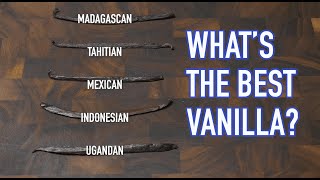
Tahitian Vanilla Ice Cream: A Floral Twist on a Classic Treat
When you scoop a bowl of vanilla ice cream, the flavor you taste can vary widely depending on the origin of the vanilla bean. While Madagascar and Mexico dominate the market, Tahitian vanilla offers a distinct profile that has captured the attention of chefs, artisans, and ice‑cream lovers alike. This article explores what makes Tahitian vanilla unique, how it translates into ice cream, and where you can find noteworthy examples — from homemade creations using a classic créme anglaise base to store‑bought options like Talenti Gelato and the Below Eleven line crafted by Hervé Mouly.
What Is Tahitian Vanilla?
Tahitian vanilla comes from the species Vanilla tahitensis, a hybrid that originated in French Polynesia. Unlike the more common Vanilla planifolia grown in Madagascar and Mexico, Tahitian beans are shorter, plumper, and contain a higher moisture content. The curing process — which involves sweating, drying, and conditioning — emphasizes floral and fruity notes rather than the deep, woody characteristics found in other origins.
Flavor Profile Compared to Madagascar and Mexican Vanilla
Madagascar vanilla is often described as creamy, sweet, and rich with a classic “vanilla” backbone. Mexican vanilla tends to have spicy, woody undertones, sometimes accompanied by a hint of cinnamon or clove due to the region’s curing practices. Tahitian vanilla, by contrast, presents:
- Floral aromas reminiscent of jasmine and orchid.
- Fruity nuances of cherry, raspberry, and