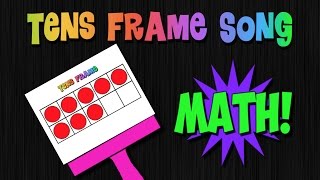
What Is a Ten Frame Worksheet?
A ten frame worksheet is a visual math tool that helps children understand basic addition, subtraction, and number sense. The worksheet typically displays a 2‑by‑5 grid—ten squares in total—filled with colored dots. Students can move, add, or remove dots to represent different numbers, making abstract concepts tangible.
Why Ten Frames Are Helpful for Learning Math
When learners see a concrete representation of numbers, they can:
- Grasp that 10 is a whole unit.
- Compare two numbers quickly (e.g., 7 dots vs. 4 dots).
- Discover how different combinations produce the same sum (e.g., 3 + 7 = 4 + 6).
- Build a foundation for place value and regrouping.
Using Ten Frame Worksheets in the Classroom
- Introduce the Concept – Show a physical ten frame, then a worksheet version. Explain that each square can hold one dot.
- Model Addition – Place 5 dots, ask students to add 3 more, then count the total. Use the worksheet to track the process.
- Practice with Guided Activities – Have students fill in the dots for simple sums like 4 + 3 or 6 + 2.
- Explore Multiple Combinations – Show that 4 + 6 and 3 + 7 both equal 10. Encourage students to find alternative pairings.
- Extend to Subtraction – Remove dots from the frame to illustrate “10 minus 4 equals 6.”
- Assess Progress – Use a blank ten frame worksheet where students write the number of dots for each sum or difference.
Creating Your Own Ten Frame Worksheets
While many resources are available online, crafting a custom worksheet gives you control over difficulty and relevance. Here’s a simple method:
- Choose a grid size: 2x5 for standard ten frames.
- Add a header with the instruction, e.g., “Fill in the dots to solve the addition.”
- Include a mix of problems: 1–9, 10, 12, 15, and 20 to practice regrouping.
- Leave space for students to write the total number of dots.
- Use different colors for each problem to keep the worksheet engaging.
Tips for Maximizing Learning with Ten Frame Worksheets
Use Manipulatives First
Before handing out worksheets, let students play with physical ten frames or colored beads. This tactile experience reinforces the visual representation on paper.
Encourage Exploration
Ask students to find all possible ways to reach a target number. For example, “How many ways can you make 8 using a ten frame?” This promotes critical thinking and a deeper understanding of number relationships.