The King of Spain: Role, History, and Modern Influence
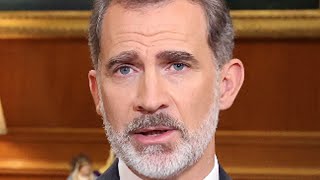
The role of The King of Spain is one of the most complex positions in modern European governance. As a constitutional monarch, the King serves as the Head of State, representing the unity and permanence of the Spanish nation. While the monarch does not hold executive political power, the position remains vital for diplomatic stability, national identity, and the symbolic continuity of the state.
The Current Monarchy and Constitutional Role
Under the Spanish Constitution of 1978, the monarchy is a parliamentary system. This means the King's duties are primarily ceremonial and representative. Key responsibilities include:
- Command of the Armed Forces: The King serves as the Captain General of the Army, Navy, and Air Force.
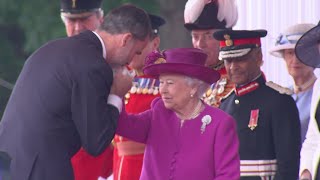
- Diplomatic Representation: Acting as the primary ambassador for Spain in international relations and state visits.
- Appointment of the Prime Minister: Following general elections, the King proposes a candidate for Prime Minister to the Congress of Deputies.
- Symbol of Unity: Serving as a neutral figurehead above the fray of partisan politics.
A Complex Lineage and Historical Context
The history of the Spanish monarchy is marked by dramatic shifts, from the vast global empire of the Habsburgs to the current Bourbon dynasty. Understanding the lineage of the Spanish crown often reveals deep connections to other European royal houses. For instance, the genealogical ties between the Spanish monarchy and the British royal family, including Queen Elizabeth II, illustrate the interconnected nature of European nobility over several centuries.
Historically, the transition of power has not always been seamless. The lineage faced significant challenges in the past, most notably with Charles II, who was the final monarch of the Spanish Habsburg line. His reign ended without an heir, leading to the War of the Spanish Succession and the eventual establishment of the House of Bourbon, which continues to hold the throne today.
The Transition to Modernity
The modern era of the Spanish monarchy was defined by the transition to democracy. After decades of dictatorship, the restoration of the monarchy played a pivotal role in steering the country toward a constitutional system. This period required a delicate balance of power to avoid political instability and scandal, ensuring that the crown remained a symbol of democratic legitimacy rather than autocratic rule.
In recent years, the monarchy has focused on transparency and modernization. This includes efforts to clarify the details of royal wealth and the funding of the Royal Household to meet contemporary standards of public accountability. By shifting toward a more "low-key" approach to royal ceremonies, the institution aims to align itself with the values of a modern, democratic society.
The Cultural Impact of the Spanish Crown
Beyond politics, the King of Spain is a guardian of Spanish culture and heritage. The monarchy supports numerous arts and sciences initiatives, preserving the rich history of the Spanish people. From the architectural wonders of the Royal Palace in Madrid to the preservation of historical archives, the crown helps maintain Spain's status as a global cultural powerhouse.
Challenges and the Future of the Throne
Like many European monarchies, the Spanish crown faces the challenge of remaining relevant in the 21st century. The public's perception of the monarchy often fluctuates based on the transparency of the royal family and their ability to adapt to changing social norms.
To maintain public support, the current administration of the monarchy has emphasized:
- Institutional Integrity: Implementing stricter codes of conduct for members of the royal family.
- Youth Engagement: Utilizing the younger generation of royals to connect with a more diverse and digital-native population.
- Global Diplomacy: Strengthening ties with former colonies and international partners to boost Spain's economic and political influence.
In conclusion, The King of Spain remains a cornerstone of the nation's political structure. While the office lacks the legislative power of the Prime Minister, its influence in maintaining national stability and representing Spain on the world stage is indispensable. By balancing tradition with