What Is a Bad Temperature?
A “bad temperature” is any environmental or internal condition that threatens the body’s ability to maintain a stable, healthy core temperature. When the body can’t regulate heat effectively, it can lead to heat exhaustion, heat stroke, or even fever-related complications. Understanding the thresholds that define a bad temperature helps you protect yourself and others in hot, humid, or otherwise challenging conditions.
How the Body Regulates Temperature
Homeostasis and Core Temperature
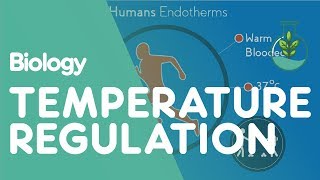
The human body strives to keep its core temperature around 37 °C (98.6 °F). This balance is achieved through a series of mechanisms: sweating, blood flow changes, metabolic adjustments, and behavioral responses such as seeking shade or drinking water.
When Regulation Breaks Down
When external temperatures rise too high or moisture interferes with sweat evaporation, the body’s cooling systems can become overwhelmed. This is where the concept of a “bad temperature” emerges—conditions that exceed the body’s thermoregulatory capacity.
Key Indicators of a Bad Temperature
- High Ambient Heat: Temperatures above 32 °C (90 °F) can quickly push the body toward heat stress, especially if humidity is also high.
- Wet‑Bulb Temperature: A wet‑bulb temperature above 35 °C (95 °F) is considered a tipping point where the body can no longer cool itself through sweating.
- Core Body Temperature: A sustained rise above 38 °C (100.4 °F) may indicate a fever or heat stroke.
- Symptoms: Fatigue, dizziness, rapid heartbeat, nausea, and confusion are all red flags that the body is struggling to maintain temperature.
Wet‑Bulb Temperature: The Dangerous Threshold
Recent research highlights the wet‑bulb temperature as a critical metric for predicting heat-related illnesses. The wet‑bulb temperature measures the combined effects of heat and humidity, reflecting how well sweat can evaporate from the skin. When this value climbs above 35 °C, the body’s primary cooling mechanism—sweat evaporation—fails, and the risk of heat stroke rises dramatically.
Daniel Allen, D.O., explains that in such conditions, “the body’s sweat glands simply cannot do their job, and heat accumulates inside.” This scenario is especially dangerous for athletes, outdoor workers, and anyone exposed to prolonged