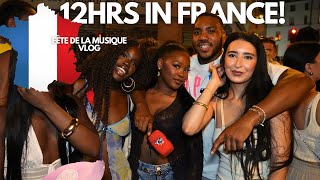
What Is Fête de la Musique?
The Fête de la Musique, also known as World Music Day, is a free‑access, city‑wide music celebration that takes place every 21 June. Originating in France in 1982, the event has grown into a global phenomenon, with more than 100 countries hosting street concerts, impromptu jam sessions, and performances in public squares, parks, and even swimming pools. The core idea is simple: anyone—professional musicians, amateurs, or curious by‑standers—can share music on the streets, turning ordinary urban spaces into spontaneous concert halls.
Historical Roots of the Festival
The concept was championed by the French Ministry of Culture and the city of Paris. Nikola Obermann recounts that the first edition was inspired by the tradition of “musique libre,” where musicians played without charge, encouraging a democratic approach to music. The festival’s name reflects its spirit: “Fête” (festival) and “Musique” (music) together signal a day of collective celebration.
From Paris to the World
After its debut, the festival quickly spread beyond France’s borders. By the early 2000s, major cities such as Berlin, New York, and Tokyo had adopted the format, each adding local flavors while preserving the free‑entry principle. Today, the event is coordinated by the International Music Council, which helps cities share best practices and promote cultural exchange.
Paris on 21 June 2026: A Case Study
On 21 June 2026, Paris demonstrated the scale and energy of the modern Fête de la Musique. The city was in “exceptional” mode, as French media described it: Paris im Ausnahmezustand. A heatwave pushed temperatures above 30 °C, yet the streets pulsed with music rather than retreating from the heat. The festival intersected with the city’s summer schedule, and residents embraced the sweltering day as an excuse to gather outdoors.
Key Highlights of the 2026 Edition
- City‑wide venues: More than 1 200 locations hosted performances, from the iconic Eiffel Tower base to hidden courtyards in the Marais.
- Genre diversity: Classical quartets shared stages with electronic DJs, reggae bands, and traditional Breton ensembles.
- Community involvement: Local schools, community groups, and independent artists were invited to set up stages, ensuring a grassroots feel.
- Heatwave adaptation: Many venues provided shade, misting stations, and even water‑based stages—one pop‑up concert took place in a public swimming pool, turning the pool area into a “fête du son” under the sun.
Public Reaction
Parisians described the day as a “musical oasis” amid the scorching climate. Social media posts highlighted the contrast between the intense heat and the lively melodies that filled the boulevards. The festival’s free nature allowed people of all ages to enjoy performances without worrying about ticket