What Is Nagin Disease Called In English?
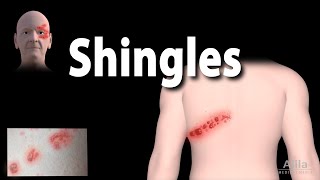
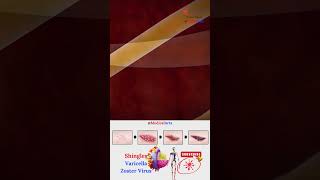
The term “Nagin disease” is commonly used in certain Indian languages to describe a painful skin condition that many people recognize as shingles in English. Shingles, medically known as herpes zoster, is the reactivation of the varicella‑zoster virus (VZV) that originally caused chickenpox. When VZV becomes dormant in nerve ganglia, it can later reactivate, leading to the characteristic painful rash and nerve pain associated with shingles.
Why Is It Also Known as Nagin?
In some South Asian cultures, the word “nagin” (meaning “snake”) is used metaphorically to describe the serpentine pattern of the rash or the intense burning sensation it produces. While the name differs across regions, the underlying disease remains the same: herpes zoster.
Key Features of Herpes Zoster (Shingles)
- Incubation and Reactivation: After a primary chickenpox infection, VZV remains dormant in dorsal root ganglia. Stress, aging, or immunosuppression can trigger reactivation.
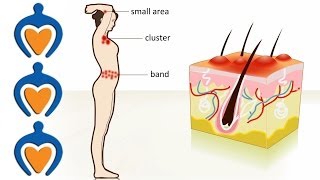
- Rash: A localized, blistering rash that typically follows a dermatomal distribution (one side of the body or a specific segment).
- Pain: Often precedes the rash and can be severe, sometimes described as burning, stabbing, or electric shock–like. Post‑herpetic neuralgia (PHN) may persist for months.
- Other Symptoms: Fever, headache, fatigue, and general malaise may accompany the rash.
Diagnosing Nagin Disease in the Clinic
Diagnosis is primarily clinical, based on the characteristic rash and history of pain. However, laboratory tests can confirm VZV DNA via PCR or viral culture if the presentation is atypical.
- Visual inspection of the rash pattern.
- History of prior chickenpox infection.
- Physical exam for nerve involvement.
- PCR testing of lesion fluid for VZV DNA (if needed).
Treatment Options for Shingles (Nagin Disease)
- Antiviral Medications: Acyclovir, valacyclovir, or famciclovir started within 72 hours of rash onset can reduce severity and duration.
- Pain Management: Non‑steroidal anti‑inflammatory drugs (NSAIDs), topical lidocaine, or oral neuropathic agents like gabapentin.
- Topical Therapies: Calamine lotion or cooling compresses to alleviate itching.
- Vaccination: The shingles vaccine (Shingrix or Zostavax) is recommended for adults over 50 to prevent reactivation.