What Makes an Excessive Heat Warning?
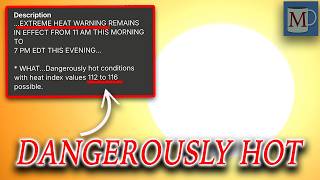
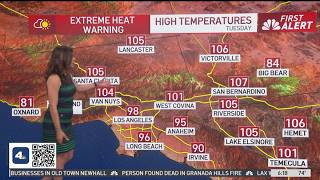
When temperatures soar and humidity climbs, the National Weather Service (NWS) may issue an Excessive Heat Warning. This alert signals that the heat index – a combination of temperature and moisture that reflects how hot it feels – will reach levels dangerous to human health. Understanding the criteria behind the warning helps communities prepare, stay cool, and protect vulnerable populations.
Defining the Excessive Heat Warning
An Excessive Heat Warning is a formal product issued by the NWS when forecasted conditions are expected to produce a heat index of 105 °F (40.6 °C) or higher for at least two consecutive hours in a given area. The warning is typically valid for a 12‑hour period, but the NWS has extended the time in the updated product when the forecasted heat persists longer than initially expected.
Key Criteria Used by the NWS
The decision to issue a warning relies on several measurable factors:
- Heat Index Thresholds – The primary trigger is a forecasted heat index of 105 °F or higher. In some regions, lower thresholds (e.g., 100 °F) may be used if local climate and population vulnerability warrant it.
- Duration – The elevated heat must be expected to last for a minimum of two consecutive hours. Longer periods increase the risk of heat‑related illnesses.
- Geographic Extent – The warning covers counties or zones where the criteria are met, ensuring that the alert is targeted and actionable.
- Population Vulnerability – Urban heat islands, high concentrations of elderly residents, and limited access to cooling centers can influence the issuance and wording of the warning.
Heat Advisories vs. Excessive Heat Warnings
Heat Advisories are more common than Excessive Heat Warnings because they are issued for lower heat‑index values, typically ranging from 90 °F to 104 °F. While an advisory encourages the public to take precautionary steps, an Excessive Heat Warning signals a higher likelihood of heat‑related emergencies and often prompts local authorities to open cooling shelters, suspend outdoor work, or issue public health statements.
How the NWS Determines and Updates the Warning
The forecasting process begins with computer models that predict temperature, humidity, and cloud cover. Meteorologists then calculate the projected heat index and compare it against the established thresholds. If conditions meet the criteria, an initial warning is issued. The NWS has extended the time in the updated product when subsequent model runs show the heat persisting beyond the original expiration. This dynamic approach ensures that the warning remains accurate and relevant throughout the event.