Worksheet On Point Of View: A Beginner’s Guide
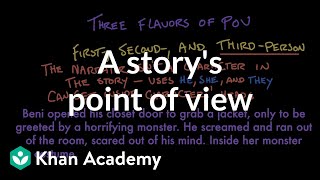
Understanding point of view is essential for reading comprehension and effective writing. A well‑designed worksheet on point of view helps students recognize the narrator’s perspective, choose the right voice for their own stories, and analyze texts with confidence. This article explains the three main narrative perspectives—third‑person objective, third‑person limited (also called subjective), and omniscient—while also referencing helpful video lessons and animated resources that reinforce the concepts.
Why a Point‑of‑View Worksheet Matters
A point‑of‑view worksheet provides a structured way for learners to practice identifying and using different narrators. When students complete activities that ask them to label sentences, rewrite paragraphs, or match narration styles with examples, they develop a mental toolkit that can be applied across subjects—from English Language Arts to social studies.
- Clarity: Visual cues and guided questions reduce confusion about first‑person, second‑person, and third‑person narration.
- Retention: Repetition through worksheets strengthens memory of terms such as “omniscient” and “limited.”
- Application: Students move from recognition to creation, drafting their own stories with a deliberate narrative voice.
Core Narrative Perspectives
Below are the three most common third‑person perspectives that a point‑of‑view worksheet typically covers. Each description includes key characteristics and sample sentences that can be used for practice items.
Third‑Person ObjectiveIn the objective style, the narrator reports only what can be observed—no thoughts, feelings, or internal commentary are revealed. The voice is similar to a news report.
Example: “The boy walked to the park, dropped his kite, and watched it flutter away.”
Worksheet activities might ask students to convert a subjective paragraph into an objective one, highlighting the removal of internal dialogue.
Third‑Person Limited (Subjective)Limited narration follows the thoughts and emotions of a single character, offering a more intimate view while still using “he,” “she,” or “they.” This perspective is also called “subjective” because the narrator’s knowledge is restricted to the chosen character.
Example: “She felt a sudden panic as the kite slipped from her grasp, and she wondered if she would ever get it back.”
Practice worksheets often ask learners to identify the character whose mind the narrator is following, then rewrite a scene from another character’s limited viewpoint.
Third‑Person OmniscientOmniscient narration provides an all‑knowing perspective, revealing the thoughts, motivations, and backgrounds of multiple characters. The narrator can jump between scenes and time frames.
Example: “While the boy chased the kite, his sister worried about the storm approaching, and their father, unaware of the chaos, prepared dinner in the kitchen.”
Students can use a worksheet to match omniscient statements with the characters they describe, reinforcing the idea that the narrator knows everything.
Integrating Multimedia Resources
To deepen understanding, many teachers supplement worksheets with short