Zucchini Seed Gardening For Beginners: A Step-by-Step Guide
Are you hoping for a bounty of zucchinis this summer? Growing your own zucchinis can be a rewarding experience, but it can be intimidating if you're new to gardening. In this article, we'll cover the basics of zucchini seed gardening for beginners, including how to prepare the soil, plant the seeds, and care for your zucchini plants.
Choosing the Right Zucchini Seeds
When it comes to growing zucchinis, it's essential to choose high-quality seeds. Look for seeds from a reputable seed supplier or online retailer. There are many varieties of zucchini seeds to choose from, but for beginners, it's best to start with a popular and easy-to-grow variety such as 'Black Beauty' or 'Round Robin'. These varieties are known for their disease resistance and high yields.
Preparing the Soil
Before planting your zucchini seeds, you'll need to prepare the soil. Zucchinis prefer well-draining, rich soil with a pH between 6.0 and 6.8. You can test your soil pH using a DIY kit or by sending a sample to a laboratory for analysis. Based on the results, you can amend the soil with lime or sulfur to adjust the pH. Zucchinis also require a lot of nitrogen, so be sure to add a balanced fertilizer to the soil.
Planting Zucchini Seeds
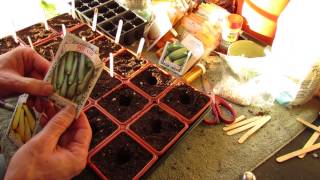
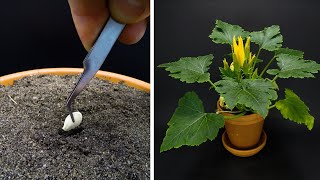
Once the soil is prepared, it's time to plant your zucchini seeds. Zucchinis are warm-season crops, so they thrive in temperatures above 60°F (15°C). Sow the seeds directly in the ground in late spring or early summer, about 1 inch deep and 3-4 feet apart. Water the soil gently but thoroughly after planting. Keep the soil consistently moist during the first few weeks after planting.
Caring for Your Zucchini Plants
After the seeds have germinated and the seedlings have emerged, it's essential to provide them with proper care. Zucchinis require full sun, so make sure to plant them in a location that receives direct sunlight for at least 6 hours a day. Water the plants regularly, providing about 1 inch of water per week. You can also use mulch to retain moisture and suppress weeds.
Preventing Powdery Mildew
One of the most common problems that zucchini growers face is powdery mildew, a fungal disease that can cause yellowing leaves and reduced yields. To prevent powdery mildew, make sure to plant zucchinis at a spacing of at least 3-4 feet apart. This will allow for good air circulation and reduce the risk of disease. You can also use neem oil or other fungicides to control the disease if it does occur.
Identifying Male and Female Flowers
Zucchinis have both male and female flowers, but only the female flowers will produce fruit. The female flowers are usually smaller and have a slightly different shape than the male flowers. The male flowers are typically larger and have a longer stem. To encourage fruit production, make sure to remove any male flowers that appear on the plant.
How to Grow Zucchini for Maximum Yield
To grow zucchinis for maximum yield, follow these tips:
- Provide full sun: Zucchinis require at least 6 hours of direct sunlight per day.
- Water regularly: Zucchinis need about 1 inch of water per week.
- Use a trellis: Zucchinis can be trained to grow up a trellis, which can help to conserve space and promote better air circulation.
- Remove weeds: Weeds can compete with zucchinis for water and nutrients, so make sure to remove them regularly.
- Use a balanced fertilizer: Zucchinis require a balanced fertilizer to promote healthy growth and fruit production.